GLOBAL SOCIAL AND ENVIRONMENTAL CONCERNS
More accessible information, greater media coverage and the localised impact of extreme weather conditions and natural disasters have raised the importance of taking personal action to protect our environment.
ETHICAL CONSUMPTION
More people are assessing the way they lead their day-to-day lives from an environmental and social viewpoint. Taking personal responsibility is becoming increasingly important as people try to recycle more, save energy, reduce their carbon footprint and buy more recyclable and ethical products. This trend has been heightened further by the current economic climate with people realising the financial cost of wasting resources such as food and energy.
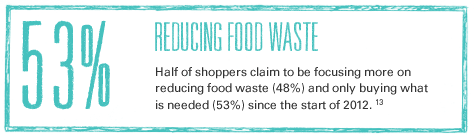
13 IGD:Winning Shoppers' trust
ETHICS & ENVIRONMENT
The ability for grocery retailers to demonstrate to the public that ethical and environmental issues are being managed effectively has become increasingly important, with most major retailers sharing formal commitments to reduce their impact in areas such as waste, energy and their carbon footprint. Many of these commitments are communicated overtly to their customers in order to enhance reputation and increase loyalty.
Initiatives include building environmentally-friendly stores, increasing recyclable product packaging, and sourcing more locally-made or fair-trade products. A key retail development is the integration of social and environmental initiatives into private label strategies. This necessitates commitment from their suppliers to achieve strategic sustainability goals.
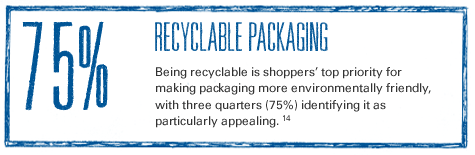
14 IGD Environmental sustainability - how to engage shoppers, June 2011
We work closely with our customers to help them meet their social, ethical and environmental objectives for their private label strategies.

ENVIRONMENTALLY FRIENDLY
In conjunction with one of our strategic packaging suppliers we have developed and launched the first ready meal oven tray that is made from 80% recycled materials and is also fully recyclable. Our target is to increase the amount of recycled material to over 90% by 2013.